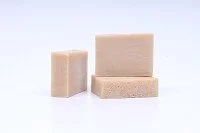
A wood and moss scent with rich amber tones and slight spice notes.
Sandalwood has long been used in traditional medicine and aromatherapy for its calming and healing properties, which are derived from its main active components, alpha- and beta-santalol
. Its health benefits include promoting mental clarity, reducing inflammation, soothing skin, and fighting microbes.
Mental and emotional well-being
Anxiety and stress relief: The warm, woody aroma of sandalwood has a calming effect that can help lessen anxiety, stress, and tension. Inhaling the scent can promote deep relaxation and balance emotions.
Improved sleep: By creating a relaxed and soothing atmosphere, sandalwood essential oil can help improve sleep quality.
Enhanced focus and clarity: While relaxing, sandalwood also supports mental focus and clarity, which is why it has been used in meditation for centuries.
Uplifted mood: The oil's mood-enhancing properties can contribute to an overall sense of well-being.
Spiritual grounding: Sandalwood is widely used in spiritual practices to quiet the mind, enhance meditation, and foster a sense of inner peace and tranquility.
Skin health
Anti-inflammatory: The anti-inflammatory properties of sandalwood oil can help soothe irritated skin conditions such as eczema, psoriasis, and dermatitis.
Anti-aging: Rich in antioxidants, sandalwood oil helps protect against free radical damage, which can help reduce the appearance of fine lines and wrinkles.
Acne treatment: The oil's antimicrobial and anti-inflammatory effects can help combat acne-causing bacteria and reduce redness and swelling from breakouts.
Evening skin tone: Sandalwood oil contains compounds that can inhibit melanin production, which may help reduce hyperpigmentation, dark spots, and discoloration.
Moisturizing: As a hydrating emollient, sandalwood oil helps the skin retain moisture, making it beneficial for dry skin.
Respiratory and immune support
Respiratory relief: Inhaling sandalwood essential oil may help alleviate respiratory issues like coughs, colds, and bronchitis.
Antimicrobial: Both alpha- and beta-santalol have antimicrobial effects that help fight against various infections.
Immune system: Sandalwood is believed to help stimulate and strengthen the immune system.
How to use sandalwood
Sandalwood is available in various forms and can be incorporated into your routine in several ways:
Aromatherapy: Diffuse the essential oil or inhale it directly from the bottle to promote relaxation and mental clarity.
Topical application: Apply diluted sandalwood oil to the skin for skincare or massage. It's often added to soaps, lotions, and facial serums.
Spiritual rituals: Use sandalwood incense or beads during meditation, prayer, or yoga to create a sacred atmosphere.
Hair care: Add a few drops of the oil to your shampoo or conditioner to moisturize hair and soothe the scalp.
While some studies have suggested potential health benefits of bourbon, it's important to note that alcohol consumption should be moderate and in accordance with guidelines. Excessive alcohol intake can have serious negative health consequences.
Potential Health Benefits:
Bourbon contains ellagic acid, an antioxidant that may help protect against cell damage and inflammation.
Reduced risk of heart disease:
Some studies suggest that moderate bourbon consumption may lower blood pressure and cholesterol levels, reducing the risk of heart disease.
Bourbon may help regulate blood sugar levels, potentially benefiting people with type 2 diabetes.
Bourbon is relatively low in calories and carbohydrates, which may contribute to weight loss when consumed in moderation.
Some research indicates that moderate alcohol consumption, including bourbon, may reduce the risk of developing dementia.
A wood and moss scent with rich amber tones and slight spice notes.
Sandalwood has long been used in traditional medicine and aromatherapy for its calming and healing properties, which are derived from its main active components, alpha- and beta-santalol
. Its health benefits include promoting mental clarity, reducing inflammation, soothing skin, and fighting microbes.
Mental and emotional well-being
Anxiety and stress relief: The warm, woody aroma of sandalwood has a calming effect that can help lessen anxiety, stress, and tension. Inhaling the scent can promote deep relaxation and balance emotions.
Improved sleep: By creating a relaxed and soothing atmosphere, sandalwood essential oil can help improve sleep quality.
Enhanced focus and clarity: While relaxing, sandalwood also supports mental focus and clarity, which is why it has been used in meditation for centuries.
Uplifted mood: The oil's mood-enhancing properties can contribute to an overall sense of well-being.
Spiritual grounding: Sandalwood is widely used in spiritual practices to quiet the mind, enhance meditation, and foster a sense of inner peace and tranquility.
Skin health
Anti-inflammatory: The anti-inflammatory properties of sandalwood oil can help soothe irritated skin conditions such as eczema, psoriasis, and dermatitis.
Anti-aging: Rich in antioxidants, sandalwood oil helps protect against free radical damage, which can help reduce the appearance of fine lines and wrinkles.
Acne treatment: The oil's antimicrobial and anti-inflammatory effects can help combat acne-causing bacteria and reduce redness and swelling from breakouts.
Evening skin tone: Sandalwood oil contains compounds that can inhibit melanin production, which may help reduce hyperpigmentation, dark spots, and discoloration.
Moisturizing: As a hydrating emollient, sandalwood oil helps the skin retain moisture, making it beneficial for dry skin.
Respiratory and immune support
Respiratory relief: Inhaling sandalwood essential oil may help alleviate respiratory issues like coughs, colds, and bronchitis.
Antimicrobial: Both alpha- and beta-santalol have antimicrobial effects that help fight against various infections.
Immune system: Sandalwood is believed to help stimulate and strengthen the immune system.
How to use sandalwood
Sandalwood is available in various forms and can be incorporated into your routine in several ways:
Aromatherapy: Diffuse the essential oil or inhale it directly from the bottle to promote relaxation and mental clarity.
Topical application: Apply diluted sandalwood oil to the skin for skincare or massage. It's often added to soaps, lotions, and facial serums.
Spiritual rituals: Use sandalwood incense or beads during meditation, prayer, or yoga to create a sacred atmosphere.
Hair care: Add a few drops of the oil to your shampoo or conditioner to moisturize hair and soothe the scalp.
While some studies have suggested potential health benefits of bourbon, it's important to note that alcohol consumption should be moderate and in accordance with guidelines. Excessive alcohol intake can have serious negative health consequences.
Potential Health Benefits:
Bourbon contains ellagic acid, an antioxidant that may help protect against cell damage and inflammation.
Reduced risk of heart disease:
Some studies suggest that moderate bourbon consumption may lower blood pressure and cholesterol levels, reducing the risk of heart disease.
Bourbon may help regulate blood sugar levels, potentially benefiting people with type 2 diabetes.
Bourbon is relatively low in calories and carbohydrates, which may contribute to weight loss when consumed in moderation.
Some research indicates that moderate alcohol consumption, including bourbon, may reduce the risk of developing dementia.