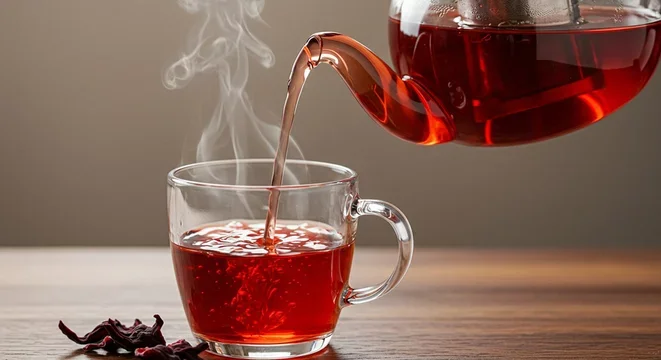
Hibiscus tea, made from the dried petals of the hibiscus flower, has been traditionally used for its potential health benefits. Here are some of the scientifically supported benefits:
Cardiovascular Health:
Hibiscus tea may help lower blood pressure by acting as a diuretic and relaxing blood vessels.
It may also reduce cholesterol levels, potentially lowering the risk of heart disease.
Blood Sugar Regulation:
Studies suggest that hibiscus tea may improve insulin sensitivity and reduce blood sugar levels, potentially benefiting people with diabetes.
Antioxidant Properties:
Hibiscus tea is rich in antioxidants, including anthocyanins and polyphenols, which protect cells from damage caused by free radicals.
Liver Health:
Some evidence indicates that hibiscus tea may improve liver function and protect it from oxidative stress.
Weight Management:
Hibiscus tea may promote weight loss by reducing appetite and boosting metabolism.
Other Potential Benefits:
Hibiscus tea may have anti-inflammatory and antimicrobial properties.
It may also improve skin health and support a healthy digestive system.
Note: While hibiscus tea is generally considered safe, it's important to consult a healthcare professional before consuming it if you have any underlying health conditions or are taking medications. Additionally, pregnant or breastfeeding women should avoid hibiscus tea.
Hibiscus tea, made from the dried petals of the hibiscus flower, has been traditionally used for its potential health benefits. Here are some of the scientifically supported benefits:
Cardiovascular Health:
Hibiscus tea may help lower blood pressure by acting as a diuretic and relaxing blood vessels.
It may also reduce cholesterol levels, potentially lowering the risk of heart disease.
Blood Sugar Regulation:
Studies suggest that hibiscus tea may improve insulin sensitivity and reduce blood sugar levels, potentially benefiting people with diabetes.
Antioxidant Properties:
Hibiscus tea is rich in antioxidants, including anthocyanins and polyphenols, which protect cells from damage caused by free radicals.
Liver Health:
Some evidence indicates that hibiscus tea may improve liver function and protect it from oxidative stress.
Weight Management:
Hibiscus tea may promote weight loss by reducing appetite and boosting metabolism.
Other Potential Benefits:
Hibiscus tea may have anti-inflammatory and antimicrobial properties.
It may also improve skin health and support a healthy digestive system.
Note: While hibiscus tea is generally considered safe, it's important to consult a healthcare professional before consuming it if you have any underlying health conditions or are taking medications. Additionally, pregnant or breastfeeding women should avoid hibiscus tea.